Your ceremony starts at 4 pm, but you do not know where portraits and groups should fit. Start with that fixed time, then add real journeys, the people to gather and the moments you want to enjoy. The photography schedule should support the day rather than send you chasing pictures.
Find the fixed points
Confirm access times, ceremony timings and key stages with the people organising them. Separate the start of an event from the time you must be ready. A 4 pm ceremony does not mean preparations can finish at 3.55 pm.
Use exact addresses and agree how you will travel. A journey estimate may not include waiting, parking, walking or getting everyone into place.
An example to discuss together
This outline is a conversation starter, assuming the ceremony and reception are close. Adapt it to your real locations and priorities.
- 2 pm: finishing preparations and photographs with those present.
- 3 pm: travel and arrival margin, adjusted to the actual journey.
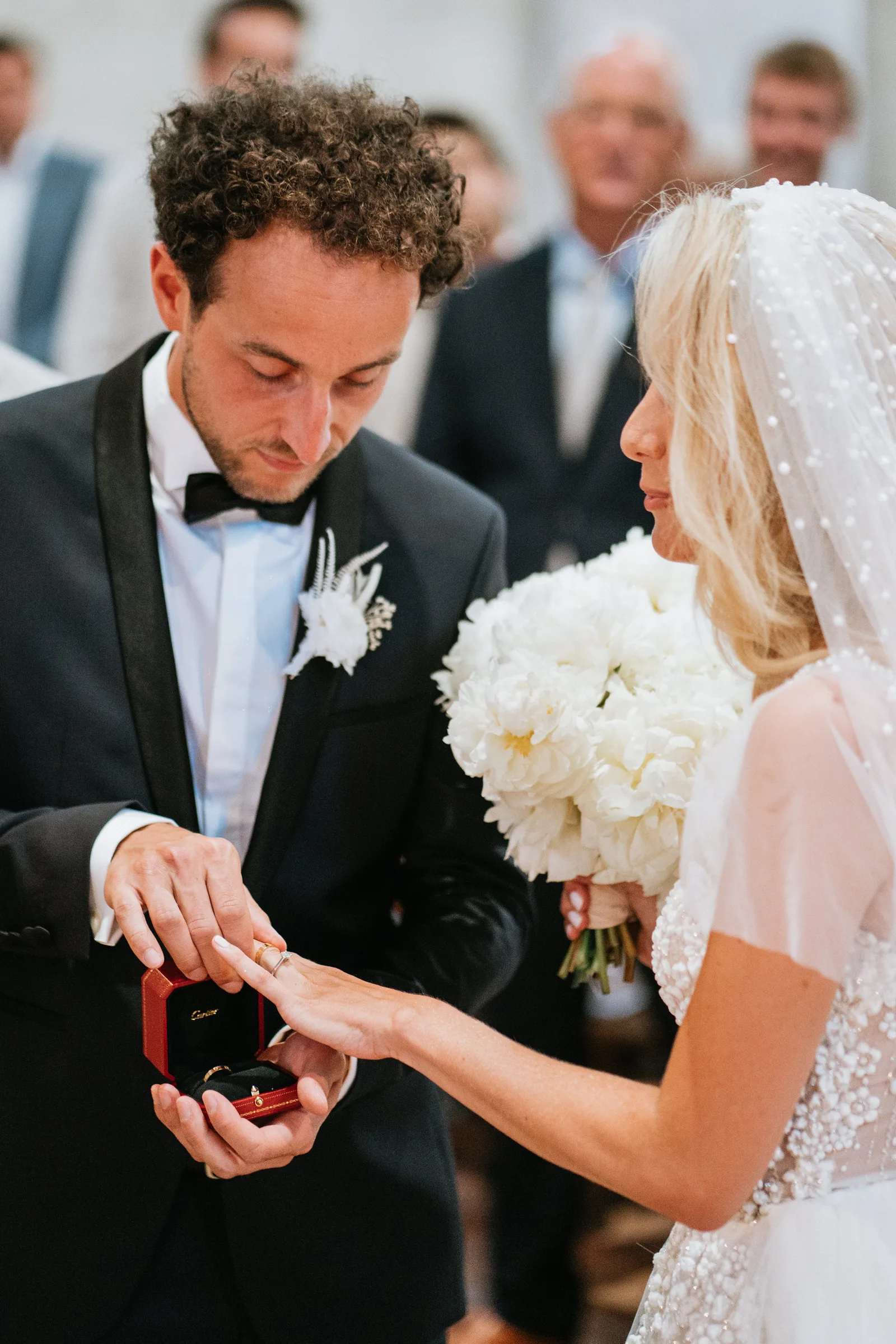
- 4 pm: ceremony, for the duration confirmed with your celebrant.
- Afterwards: congratulations and priority group photographs.
- During drinks: a short portrait break if you want one.
- Before dinner: returning to guests and any planned speeches.
- Evening: photographs within your agreed coverage hours.
It sets no universal ceremony length or guaranteed image count. Use it to spot where two important plans need the same time slot.
Make groups manageable
Prepare a named list and ask someone who knows your guests to help gather them. Allow for movement and anyone who needs extra time. When groups share many of the same people, order them to reduce unnecessary trips.
Prepare your group photograph list ↗
Choose portrait time around your day
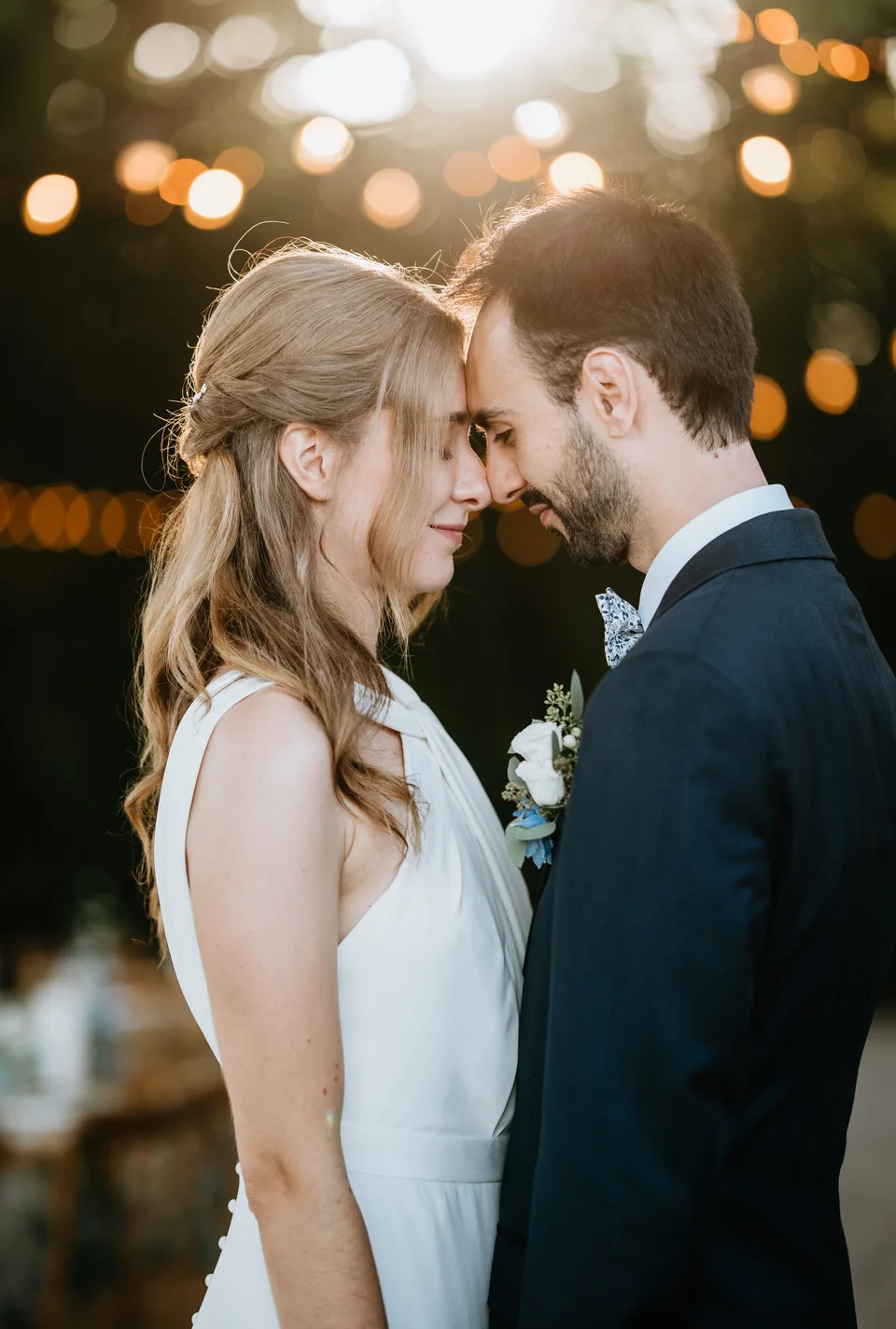
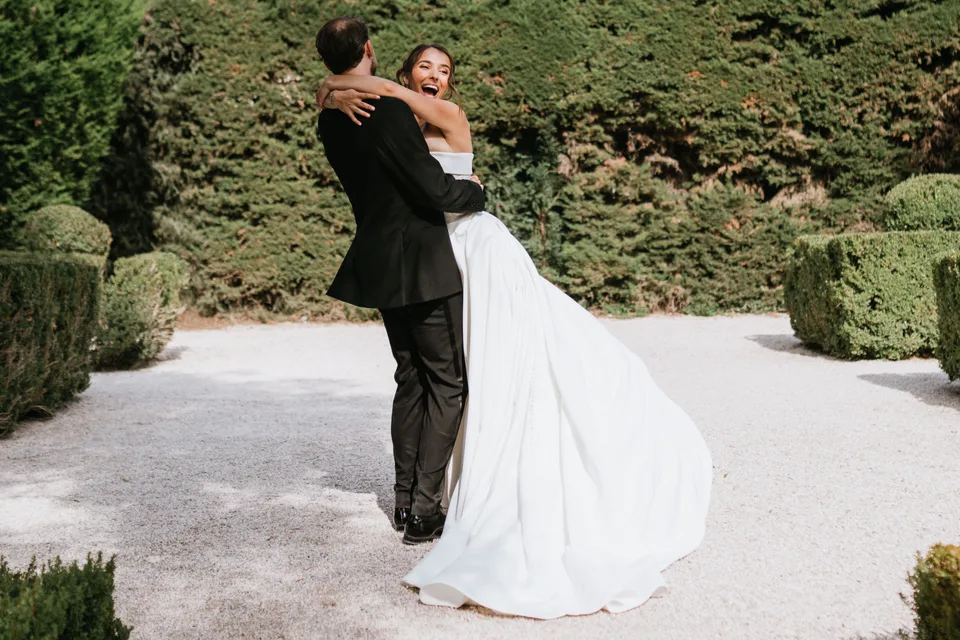
Portraits can happen before the ceremony, during drinks or at another agreed moment. Light matters, but so does being with your guests. A few short portrait breaks may work better than one long absence if they fit the programme.
Decide whether a first look suits you ↗
Prepare for portraits without knowing how to pose ↗
Agree how changes are handled
Identify a sheltered option and who needs updated timings. If the day runs late, return to your priorities: important people, unrepeatable events and the portraits you actually want. Trying to recover every original idea can create more pressure.
Plan photographs if it rains ↗
Share one clear version
Before the wedding, share a dated schedule with addresses and useful contacts with the relevant people. Choose one person to communicate changes. On the day, you should not have to discover which version of a spreadsheet everyone is following.